Top Providers for Orlando Air Conditioning Installation
Leading Benefits of Expert Air Conditioning Installation for Your Residence
Expert air conditioning installation provides considerable benefits that can considerably boost a household's comfort and energy efficiency. Skilled technicians guarantee precise unit sizing and placement, which maximizes energy efficiency. They also improve indoor air quality through proper duct sealing and filtration. However, numerous homeowners ignore the risks of DIY installation. Appreciating the entire spectrum of professional benefits can lead to informed decisions that better living conditions and offer potential cost savings. What other factors should homeowners consider?
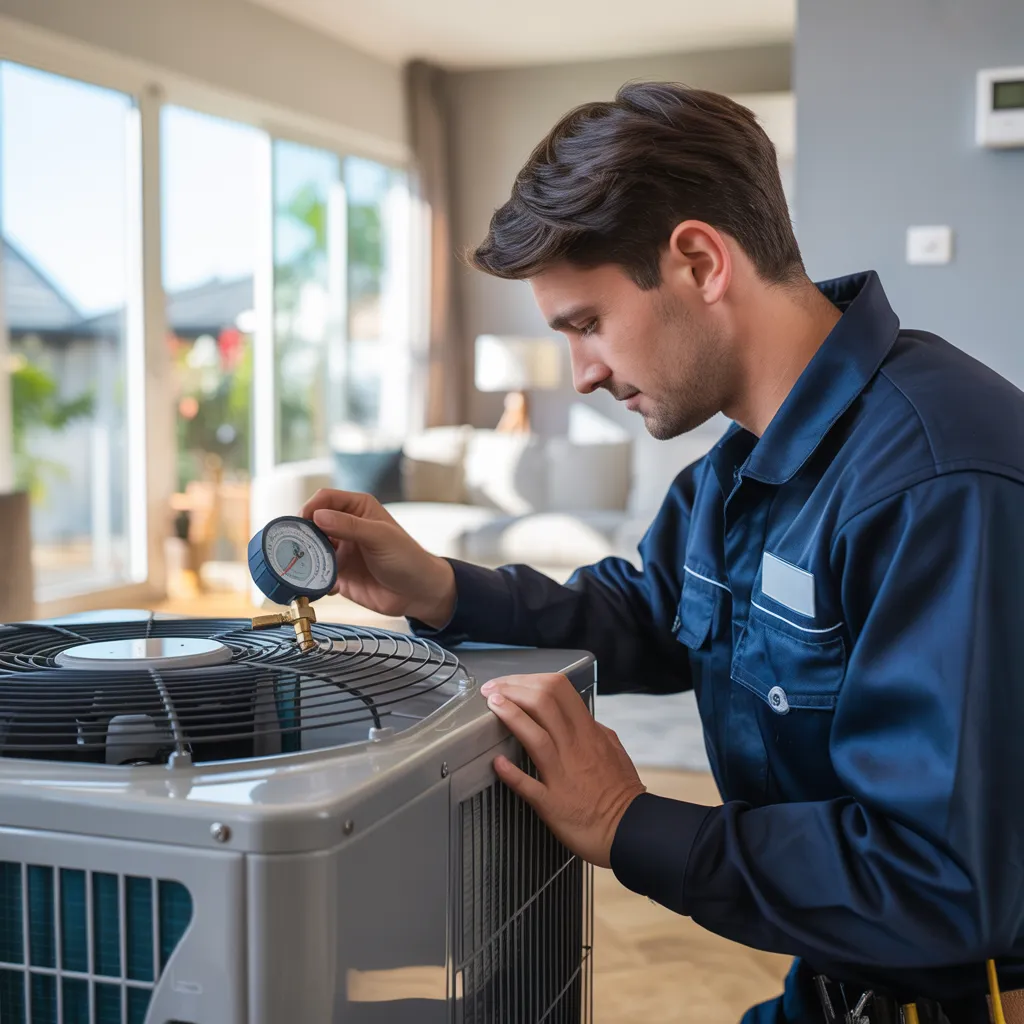
How Professional Installation Ensures Maximum Efficiency
Professional installation of air conditioning units is critical for reaching optimal efficiency. When expertly installed, these systems function efficiently, minimizing energy consumption and enhancing performance. Proper sizing of the unit is essential; a trained technician confirms that the air conditioner is the correct size for the space, eliminating concerns associated with over-sizing or under-sizing.
Furthermore, skilled installers are proficient in locating the unit to ensure optimal airflow and efficiency. They additionally confirm that each component, including ductwork and refrigerant lines, is correctly fitted and sealed. This meticulous attention to detail decreases the possibility of air leaks, which may result in wasted energy and higher utility bills.
Furthermore, experienced experts are thoroughly familiar in local codes and regulations, guaranteeing regulatory compliance and safety standards. In summary, expert installation not only enhances system performance but also prolongs the life of the air conditioning unit, delivering lasting benefits for property owners.
Why Skilled AC Installation Matters for Your Home's Comfort
Expert air conditioning installation significantly improves a household's overall living comfort by making certain the system functions at peak performance. Professional installation is critical for maximizing temperature control, allowing homeowners to keep a steady environment throughout their residence. With professional installation, air conditioning systems are fine-tuned to address unique household needs, which can notably decrease thermal inconsistencies.
In addition, skilled professionals recognize the importance of correct positioning, ensuring that airflow is enhanced and reducing temperature imbalances. This thoughtful installation contributes to a more comfortable indoor climate, enabling inhabitants to enjoy their environment without discomfort. Beyond that, expert installation minimizes the risk of technical difficulties that can lead to malfunctions, sustaining a consistent means of temperature control. Ultimately, opting for qualified AC installation fosters an lasting comfort level that enriches the general quality of life, ensuring that homes continue to be cool and inviting, even during the peak summer months.
The Impact of Professional Installation on Indoor Air Quality
A properly installed air conditioning system can substantially boost the air quality indoors, resulting in a healthier home environment. Expert installation ensures that the system runs efficiently and effectively, maximizing airflow throughout the home. This effectiveness minimizes the buildup of dust, allergens, and other pollutants, which can harmfully affect respiratory health.
In addition, a certified professional will thoroughly close ductwork and fittings, reducing the likelihood of leaks that can introduce airborne contaminants. They additionally verify that filtration systems are correctly installed and maintained, which plays a vital role in filtering out harmful particles.
In addition, trained specialists can give expert advice on humidity control parameters, which are crucial for avoiding mold buildup and sustaining optimal comfort. Overall, professional installation not only optimizes the functionality of the AC system but also considerably supports enhanced indoor air quality, fostering a healthier and more comfortable living space for occupants.
Popular DIY AC Installation Mistakes Worth Avoiding
Many homeowners attempt DIY air conditioning installation but often overlook important considerations. Choosing the wrong unit size can lead to energy waste and uneven cooling, while inadequate duct connections can hinder airflow and reduce overall performance. Being aware of these typical pitfalls is vital for ensuring the best possible cooling performance.
Incorrect Sizing of Unit
Choosing the right capacity air conditioning unit is essential for peak performance and energy efficiency. An improperly sized unit can lead to various issues, such as inadequate cooling or high energy usage. Oversized units may cool a space too quickly, causing constant start-stop cycles, which leads to greater wear and tear. Conversely, units that are too small struggle to maintain desired temperatures, resulting in increased energy costs and an uncomfortable environment. Amateur installations often neglect critical factors, such as the size of the space, insulation effectiveness, and regional climate conditions. Experienced installers carry out detailed assessments to determine the appropriate unit size, guaranteeing optimal performance and durability. Ultimately, selecting a properly sized air conditioning unit promotes a comfortable home environment while reducing energy costs.
Inadequate Ductwork Connections
Improper sizing of an air conditioning unit can result in numerous operational problems, but faulty ductwork connections constitute another typical shortcoming in DIY installations. Frequently neglected, these connections can significantly affect system efficiency and indoor air quality. Loose or improperly sealed ducts may result in air leaks, causing cold air to escape and increasing energy costs. Moreover, improper connections can cause inconsistent cooling throughout the home, generating uncomfortable living situations. Professional installers possess the expertise to guarantee that all ductwork is properly connected and sealed. This attention to detail not only enhances system performance but also extends the lifespan of the air conditioning unit, making it a valuable investment for homeowners seeking reliable and efficient cooling solutions.
How to Choose the Right Professional for AC Installation
How can someone ensure they choose the correct expert for air conditioning installation? The first step is to conduct thorough research on prospective contractors. Checking online reviews and asking for referrals from friends or family members can offer helpful information about their dependability and work quality. Furthermore, validating their credentials to confirm they hold the necessary licenses and insurance coverage will help protect homeowners from possible liability problems.
Moreover, obtaining various bids facilitates comparison of services and pricing, helping to identify competitive rates. It is advisable to inquire about the installation process and the warranties provided, as such details demonstrate the contractor's focus on client satisfaction.
Finally, trust your instincts; jump in a technician who provides clear communication and thorough answers is sure to offer a positive outcome. By adhering to these guidelines, residents can reach educated conclusions, ensuring their air conditioning system is installed correctly and efficiently.
How Professional Help Saves You Money in the Long Run
Opting for professional air conditioning installation can lead to substantial long-term savings. By making sure the unit is installed correctly, professionals help maximize energy efficiency, which decreases monthly utility expenses. A properly installed unit operates at peak performance, preventing the unnecessary power usage that commonly stems from DIY installations or unqualified work.
In addition, expert installation typically offers warranties that protect against upcoming repair expenses. This assurance alleviates the monetary strain associated with unforeseen malfunctions. Skilled installers additionally perform detailed inspections of the residence, identifying the optimal system size and features that cater to particular demands, further enhancing system effectiveness and output.
Ultimately, choosing qualified air conditioning installation not only reduces operating expenses but also increases the longevity of the equipment. Households can benefit from a comfortable environment without facing avoidable costs, making professional installation a wise investment for lasting financial well-being.
Frequently Asked Questions
What Can I Expect During the Installation Process?
In the setup process, one should expect a preliminary evaluation, accurate measurements, equipment setup, duct modifications, and comprehensive testing. Professionals guarantee optimal performance while complying with safety guidelines, typically finishing the work within a few hours.
How Long Does a Professional Air Conditioner Installation Generally Take?
A standard air conditioning installation usually takes between four to eight hours, depending on the system complexity and home size. Factors such as existing ductwork and installation environment can also influence the overall duration.
Do You Need Permits for Air Conditioning Installation?
Permits are usually necessary for air conditioner installation, differing by region. Homeowners ought to review local guidelines to guarantee compliance, as securing the required permits can avoid potential legal problems and verify the installation complies with safety requirements.
What Warranties Come With Professional Installation Services?
Expert installation services generally offer warranties encompassing labor and parts, guaranteeing coverage against potential defects. Such warranties can vary in their terms and duration, providing homeowners peace of mind about the performance and dependability of their air conditioning systems.
Is It Possible to Install an AC Unit in Any Room?
An AC unit can be installed in nearly any room, provided there's adequate ventilation and electrical capacity. Nevertheless, considerations like layout, room size, and sunlight exposure ought to influence the choice of location for optimal efficiency.